Building a Transportation spend management Routine
Transportation expenditures can be tough to evaluate continually when invoices, delivery records, accessorial fees, and service provider arrangements are saved throughout different systems. A repeatable process gives groups a more clear way to identify uncommon costs, verify payment accuracy, and comprehend where transport expenses are transforming.
The objective is not merely to look for separated mistakes. A beneficial regular links invoice evaluation with delivery task, agreement terms, and operational decisions so that searchings for can notify future transport preparation.
FreightOptics deals Transportation spend management.
Specify the extent of each testimonial
Begin by making a decision which transportation task the process will cover. This might consist of parcel, freight, messenger, or various other transportation invoices, depending on the organization's shipping account. Establishing the extent avoids the testimonial from ending up being an irregular check of whichever data happens to be easiest to accessibility.
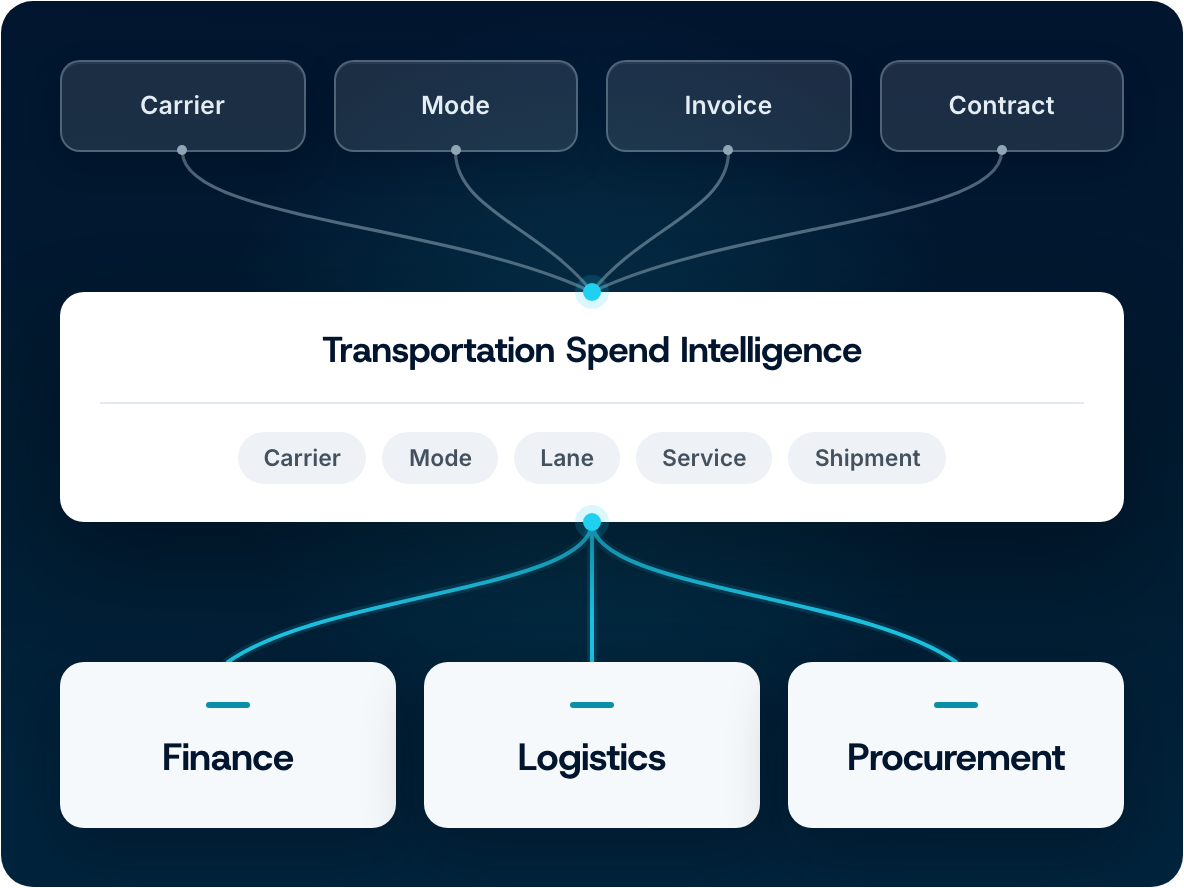
It is also helpful to specify the review period and the accountable individuals. Financing may offer billing info, logistics may describe delivery details, and purchase might make clear negotiated terms. Clear ownership makes it easier to maintain the regular and follow up on findings.
Bring the right records together
A functional transport expenditure review depends upon contrasting relevant records. Billings can be evaluated alongside delivery details, provider contracts, price schedules, shipment information, and approved accessorial costs. When these resources are assessed independently, incorrect amounts or missing credit ratings might be more difficult to recognize.
Regular information fields make the procedure better over time. Systematizing things such as carrier names, solution levels, delivery days, reference numbers, and charge categories can aid groups compare task from one review cycle to the following. The process does not require to begin with an intricate coverage system; it needs trusted details prepared in a functional format.
Inspect common sources of variance
Each review should consist of a constant set of checks. Groups may contrast billed rates with relevant arrangements, verify that services were in fact used, take a look at replicate billings, and evaluation accessorial costs for correct documentation. They can also look for inequalities involving weights, areas, measurements, delivery areas, or service levels when those information influence the amount billed.
A checklist assists protect against the procedure from depending on memory or private judgment. Over time, repeating findings can be grouped by cause, such as information quality issues, agreement analysis, operational modifications, or service provider payment discrepancies. This categorization sustains much more concentrated restorative action.
Record findings and follow-up actions
An evaluation is more valuable when each finding has a clear document. Document the impacted invoice or shipment, the concern identified, the sustaining information, and the activity requested. Depending on the circumstance, the next action might include requesting a modification, clearing up an agreement term, upgrading an inner procedure, or talking about a reoccuring pattern with a provider.
Appointing an owner and a follow-up date assists maintain searchings for from being lost after the initial review. An easy status system can reveal whether a thing is under examination, waiting for a feedback, resolved, or being kept an eye on for reappearance.
Use the routine to improve decisions
When the process is developed, assess the outcomes for wider patterns as opposed to treating every issue as a separate occasion. Repetitive accessorial costs may point to packaging or getting techniques, while frequent service-level inequalities may recommend that delivery options need closer attention. These observations can offer logistics, financing, and purchase a common basis for conversation.
FreightOptics supplies 3rd Party Logistics Audit solutions to support organizations that need an organized way to analyze transport payment and associated records. By making transportation spend management a regular business activity, business can produce a much more enlightened evaluation procedure and utilize its findings to assist ongoing Transportation Spend Management transport decisions.
2200 N Commerce Pkwy #200, Weston, FL 33326, United States +18005784939